Hackers come from all different backgrounds. Some hackers are motivated by money and politics, while others simply hack systems for fun. In this blog post, we will define the three kinds of hackers and how each one differs from the others.
A complicated history
In the 1950s, the term “hacker” was vaguely defined as someone who explored the details and limits of computer technology by testing them for a variety of purposes.
The three kinds of hackers every business should watch out for
The crucial role of MSPs in SMB cybersecurity
With modern cyberattacks targeting companies of all sizes, businesses cannot afford to relegate cybersecurity to the bottom of their list of priorities. When it comes to cybersecurity, even small- and mid-sized businesses (SMBs) would do well to get help from an expert.
What is zero trust, and how do you implement it in your business?

With cyberattacks becoming increasingly prevalent, targeted, and complex over the years, businesses are looking for more ways to improve their cyber defenses. One way is by adopting a new approach to cybersecurity: the zero trust security model.
In this blog post, we will discuss what zero trust is and how you can implement it in your company.
Fileless malware: The invisible threat
Hackers have found a clever way to get around anti-malware software — they’re using fileless malware, a type of malicious software that's not as visible as traditional malware. This means it can infect your entire infrastructure without you even knowing.
Learn from this cybersecurity mistake of government agencies

The onset of the COVID-19 pandemic triggered a digital revolution. It saw businesses around the globe open their doors to the benefits of modernization and explore emerging technologies to enhance productivity. This is true not only for private businesses, but for government agencies as well.
What is proactive cybersecurity?
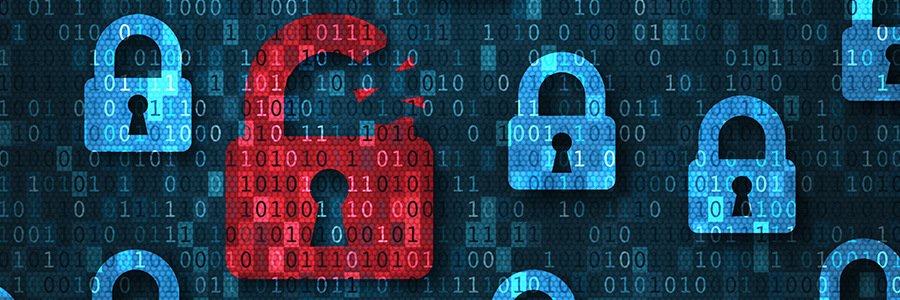
Cybercrime is obstructing businesses and governments around the globe. It's not only an IT problem, it's the biggest threat to a company's business continuity and reputation. According to Accenture's State of Cybersecurity Resilience 2021 Report, the average number of cyberattacks per company in the United States rose from 184 in 2020 to 270 in 2021.
A survey conducted by CNBC and Momentive showed that 56% of small business owners are not concerned about being hit by a cyberattack in the next 12 months.
The risks of password autofill
Hackers may have found an effective way to track users using a web browser or password manager’s password autofill feature. Here’s how they do it and what you can do to protect yourself.
Why password autofill is so dangerous
Modern web browsers and password managers have a feature that enables usernames and passwords to be automatically entered into a web form.
Here’s how cybersecurity is smartening up

Did you know that in 2021, roughly 281.5 million individuals have experienced some sort of data breach? According to the Identity Theft Resource Center (ITRC), the number of reported data breaches in 2021 has already surpassed the total for 2020 by a shocking 17%. President and CEO of the ITRC Eva Velasquez said 2021 was just 238 breaches short of tying the all-time high of 1,529, which was set in 2017.
The ITRC also mentions that ransomware and phishing were the two most common methods of attack used by cybercriminals.
What is passwordless authentication?

Many employees, whether in the office or working from home, use a variety of applications to perform their everyday tasks. A lot of these applications require passwords before an employee can access them. Because of this, users are compelled to memorize and manage multiple passwords to keep sensitive information safe.
Keep cybercriminals from attacking your business printers with these tips
It’s easy to overlook printers when implementing a cybersecurity strategy, as they may seem safe from cyberattacks. But in reality, many hackers these days exploit certain printer vulnerabilities to gather information about businesses or even infiltrate their systems without anyone noticing.